Phase 1 Sold Out: How to Get Ready for Phase 2
Phase 1 is gone and Phase 2 is expected soon. Here's how to be ready, so you choose from the full menu, not the leftovers.
Phase 1 of Tonino Lamborghini Residences Gurugram is sold out. If you were planning to "think about it after Diwali", that ship has sailed. The good news is that another one is coming. Phase 2 is expected soon, with roughly the same number of homes as Phase 1.
So the real question isn't whether you missed out. It's whether you'll be ready this time. In this piece I'll walk you through what a sell-out actually tells you, what tends to change between phases, and the homework that separates the buyers who get the unit they want from the ones who settle for whatever is left.
What "sold out" really tells you
A sold-out first phase is a signal, not a guarantee. It tells you there was real demand at the launch price and that the developer priced it well enough to move. That's useful information. What it doesn't tell you is what the home will be worth in five years, and anyone who suggests otherwise is guessing.
Here's how I'd read it. The project was registered with RERA in April 2026 and formally unveiled to channel partners in June. By early November, Phase 1 was announced as fully sold. For a project at this price point, that's a meaningful vote of confidence from people who had to put serious money down.
But be careful about the crowd effect. Some Phase 1 buyers were end-users who fell for the layouts. Some were investors who wanted an early entry. Your reasons should be your own, and they should still hold up if the market goes quiet for a couple of years.
Why Phase 1 moved the way it did
No single thing sold this project. It was a combination, and it's worth understanding each piece because the same factors will shape Phase 2.
A first in India
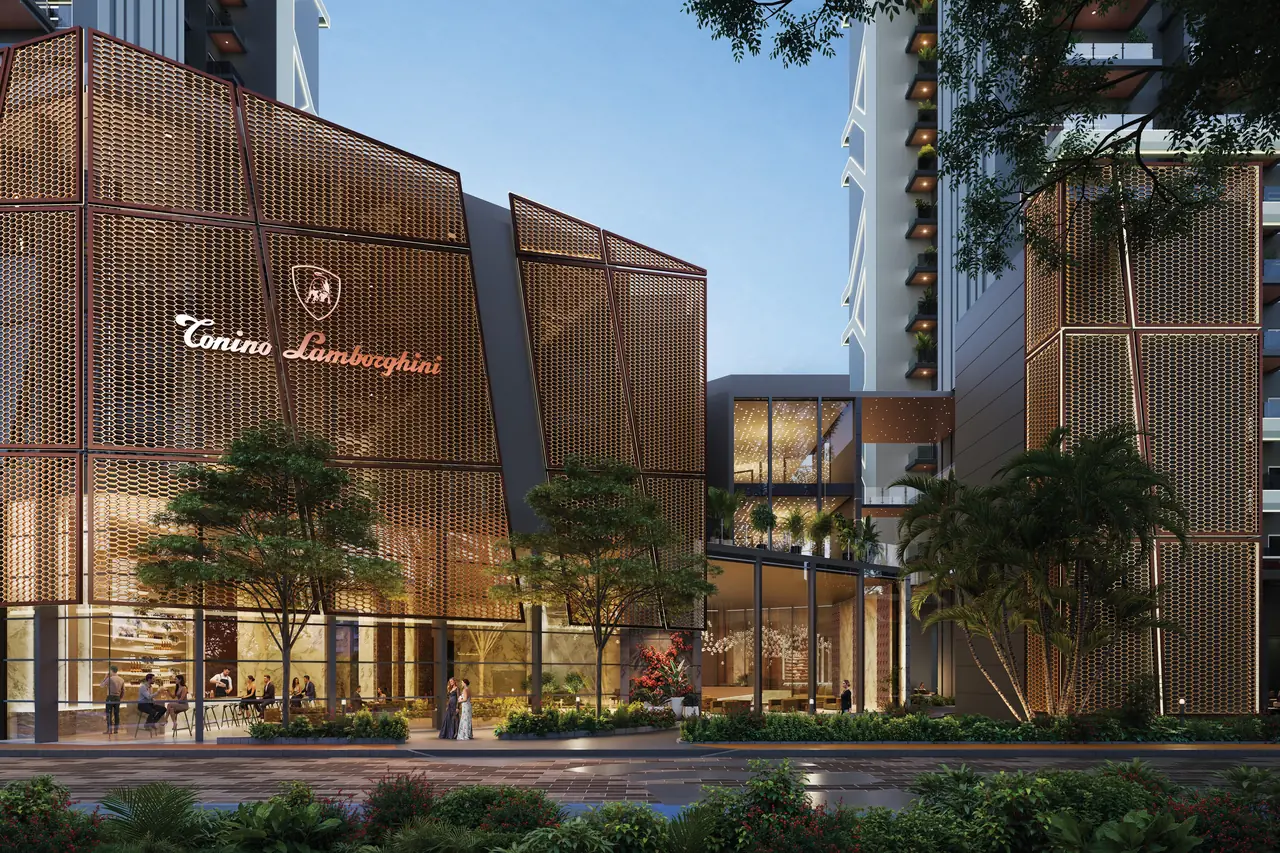
This is India's first Tonino Lamborghini branded residence. Firsts attract attention, and in luxury real estate, attention converts. If you want the background on how these partnerships work, our explainer on branded residences in India covers it in detail.
A listed developer with the paperwork done
The project is developed by Signatureglobal (India) Limited, which is listed on the NSE and BSE. It carries HRERA registration (RC/REP/HARERA/GGM/1056/788/2026/28, dated 08.04.2026) and a DTCP licence (No. 187 of 2025). Buyers at this ticket size tend to want those boxes ticked before they sign anything, and here they were.
The product itself
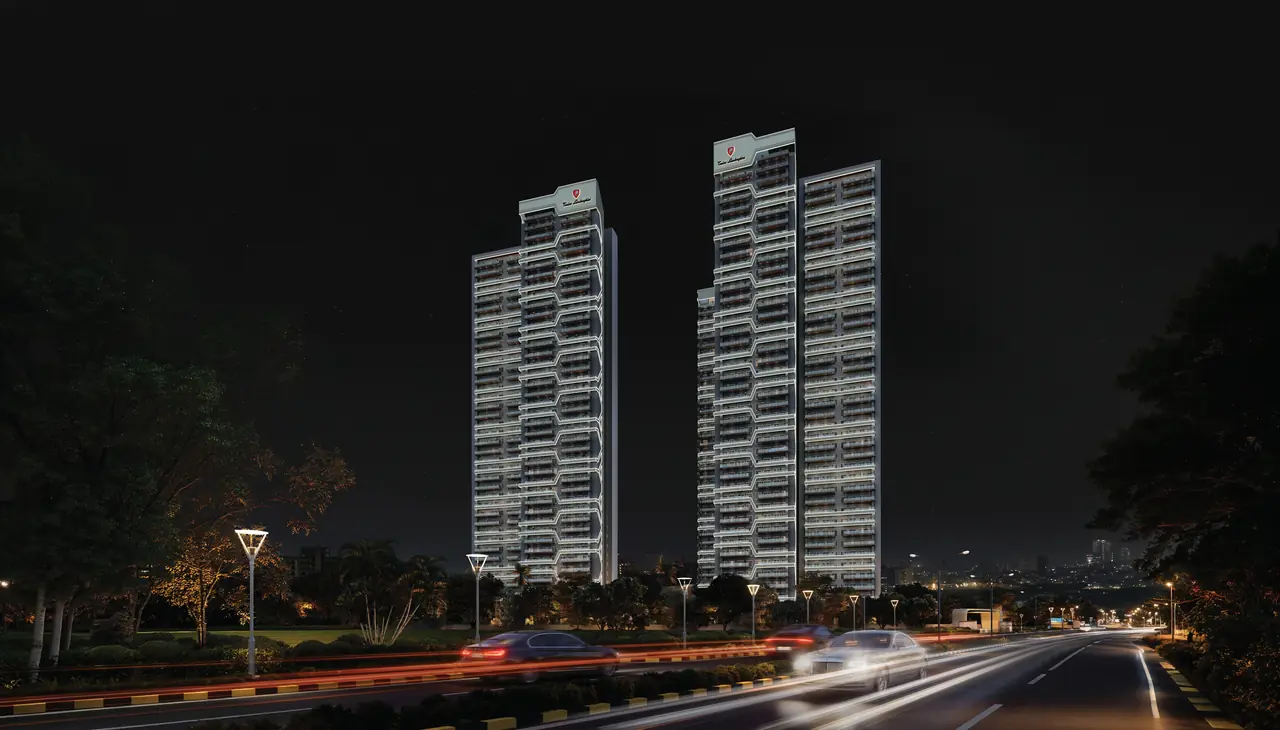
Five towers of G+41 on 12.40 acres, four apartments per core, ceilings of around 12 ft, a 1,00,000 sq ft clubhouse and an IGBC Platinum pre-certification. Four-to-a-core matters more than people think. Fewer neighbours per floor means quieter corridors, shorter lift waits and better light and ventilation in each home.
The location and the payment plan
Sector 71 on the Southern Peripheral Road gives you quick reach to Golf Course Road, Golf Course Extension Road and NH-48. The 25:25:25:25 payment plan offered at launch also spread the outflow in a way many buyers found manageable. Plans can change by phase, so don't assume Phase 2 will mirror it.
What usually changes between phases
I can't tell you exactly what Phase 2 will look like, because the developer hasn't published it. What I can tell you is what typically shifts between phases in projects like this, so you know which questions to ask.
| What may change | Why it matters to you | What to ask |
|---|---|---|
| Base price | Later phases are often priced higher once demand is proven, though nothing is fixed in advance | What is the current rate, and is there an early-booking window? |
| Payment plan | A different split changes how much cash you need and when | Is 25:25:25:25 still available, or has the structure changed? |
| Inventory | Which towers, floors and facings are on offer will differ from Phase 1 | Which towers are in Phase 2, and what is the floor-wise availability? |
| Preferential location charges (PLC) | Higher floors, better views and corner units usually carry extra charges | What PLC applies to the specific unit I am considering? |
| Offers and add-ons | Launch-time terms rarely stay the same for long | What exactly is included, and is it written into the allotment letter? |
The pattern to keep in mind is simple. The better the unit, the faster it goes. In a phased launch, the best floors and facings get picked in the first few days. If you show up three weeks in, you're choosing from what's left.
How to prepare for Phase 2
This is where most of the value is. Buyers who get their preferred unit are rarely the ones with the most money. They're the ones who did the boring work before launch day.
1. Know your real budget, not just the sticker price
The indicative figures from the channel-partner price sheet give you a starting point:
- 3 BHK (3 toilets), around 2,100 sq ft: roughly ₹4.80 Cr
- 3 BHK + servant room, around 2,350 sq ft: roughly ₹5.60 Cr
- 4 BHK (4 toilets), around 2,750 sq ft: roughly ₹6.50 Cr
These are indicative only and can change by floor and phase. They also exclude GST, stamp duty, registration, PLC, parking and other charges. On an under-construction home, GST alone adds a noticeable amount, and stamp duty and registration in Haryana come on top at the time of the sale deed. Add them all up before you fall in love with a floor plan. For the latest numbers, check the price list page or ask us for the current sheet.
2. Get your loan pre-approved early
If you're financing part of the purchase, start now. For home loans above ₹75 lakh, banks in India generally lend up to 75% of the property value, which means your own contribution will be at least a quarter of the cost, plus taxes and charges that banks usually don't fund. A pre-approval tells you exactly where you stand and lets you move quickly when bookings open.
Also check whether your lender has approved this project, or will. Ask the bank how disbursement works on a construction-linked or time-linked plan, because that affects when your EMIs actually start.
3. Decide your configuration before you see the inventory
Sit down with your family and settle the big questions first. Do you need a servant room, or would a utility with separate access do? Is the fourth bedroom a must, or a nice-to-have? The brochure lists 3 BHK, 4 BHK Type 1, 4 BHK Type 2 and 4 BHK + Utility. Go through the floor plans carefully and shortlist two options, a first choice and a fallback.
4. Think about floor and facing
In a G+41 tower, floor choice is a real decision. Higher floors usually offer better views and less street noise, but they cost more and you'll spend longer in the lift. Mid floors are often the sweet spot for families. Facing matters too: think about morning light, afternoon heat, and what the view will be once the surrounding plots are built up. A site visit helps you judge this far better than any render.
5. Keep your documents ready
- PAN card and Aadhaar for every applicant
- Recent passport-size photographs
- Address proof, and for NRIs, passport and visa or OCI details
- Cheque book or bank details for the booking amount
- Loan pre-approval letter, if applicable
Decide in advance whose names will be on the property. Joint ownership can have tax and stamp duty implications, so it's worth a quick conversation with your CA before booking, not after.
Tip: Remember that TDS of 1% applies when you buy a property worth ₹50 lakh or more. You deduct it from payments to the developer and deposit it with the tax department. It's easy to overlook in the excitement of booking, and fixing it later is a headache.
What to ask at booking
Booking day can feel rushed. That's exactly when you should slow down and ask the obvious questions. Here's my short list:
- What is the all-inclusive cost of this specific unit, with every charge itemised?
- Which payment plan applies, and what are the exact milestones and due dates?
- What is the cancellation and refund policy if my plans change?
- How many parking spaces come with the unit, and are they charged separately?
- What are the expected maintenance charges and the club membership terms?
- Will I get the allotment letter and a draft builder-buyer agreement to review before the next payment?
Notice what's not on that list: a possession date from a salesperson. The developer has not published one. Rely on what's registered with HRERA and written into your agreement, not on anything said casually on the sales floor.
End-users and investors: set honest expectations
If you plan to live here
You're in the best position. You're buying a home you'll use, in a project with a clear design pedigree and serious amenities. Judge it on how it fits your life: the commute, the schools, the layout, the clubhouse you'll actually use. Price movements matter less when you're not planning to sell. Just be comfortable with the fact that this is an under-construction project, and you'll be paying instalments for a while before you move in. Our piece on under-construction vs ready homes is worth a read if you're weighing the two.
If you're buying as an investment
Be clear-eyed. A sold-out Phase 1 doesn't promise that Phase 2 buyers will make a quick profit. Luxury real estate is relatively illiquid, resale timelines can be long, and there's no published possession date to plan an exit around. If you're investing, plan for a long hold, keep enough liquidity elsewhere, and don't stretch your finances to the limit. The buyers who do well in luxury property are usually the ones who never had to sell in a hurry.
A sensible next step
You don't need to decide anything today. What you can do is get ready so that when Phase 2 opens, you're choosing from the full menu, not the leftovers. Shortlist your configuration, line up your finances, and see the site in person.
If that sounds useful, book a site visit at the Sector 71 sales gallery. We'll walk you through the layouts, share the latest indicative pricing, and answer your questions honestly, including the ones that don't end in a booking.